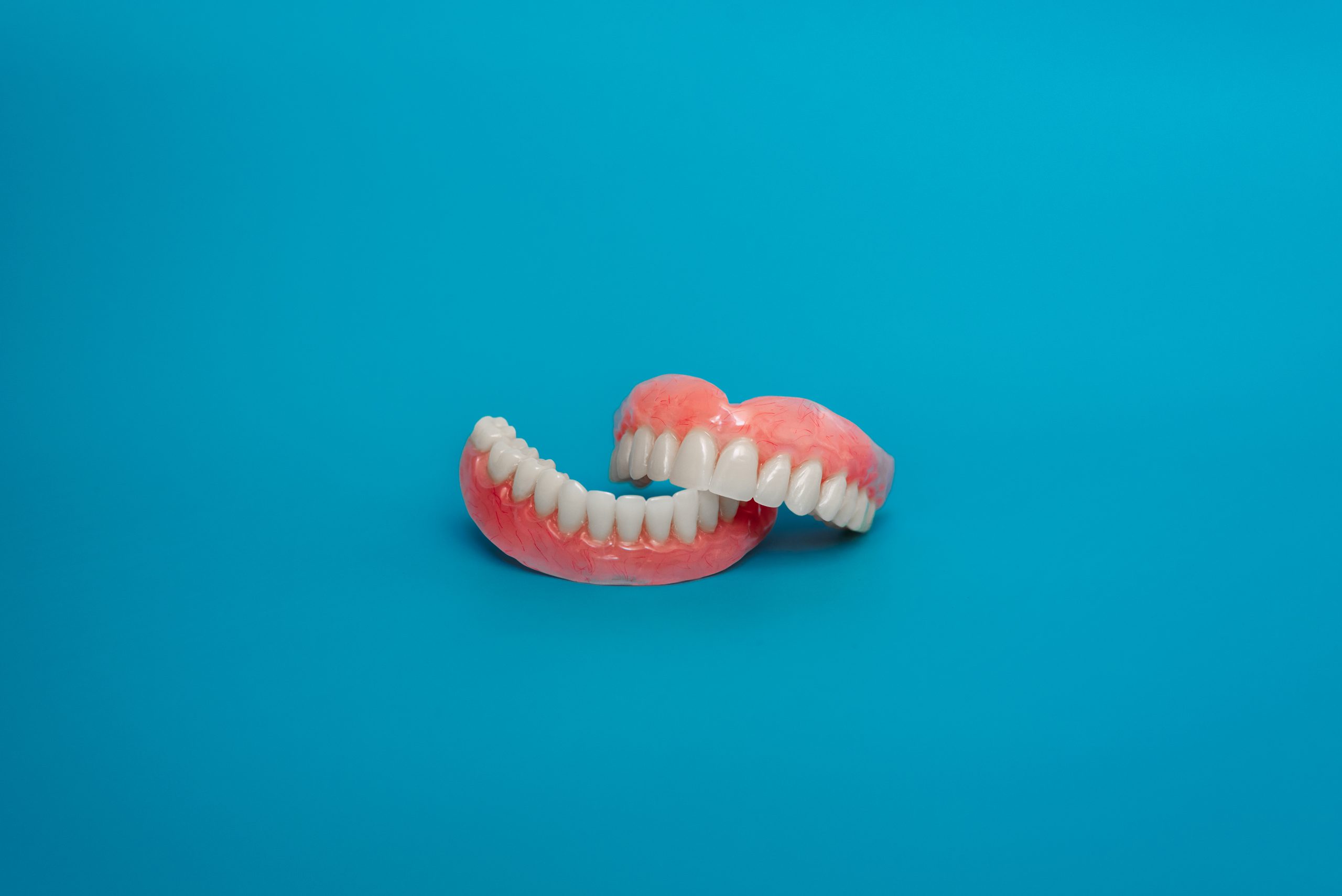

At The Little Green Building, we know that transitioning to full/partial dentures is a major milestone in your oral health journey. Whether you’re visiting our dental clinic from High Park or Bloor West, it’s natural to wonder how your new smile will handle your favorite meals.
While moving from natural teeth to prosthetic devices involves a brief adjustment for your jaw muscles, we are here to ensure your denture journey is seamless. From mastering the chewing mechanism to maintaining great oral hygiene, our team is dedicated to helping you move confidently back to a diverse, delicious diet.
Can you eat with dentures?
Absolutely! In fact, that is exactly what they are designed for. We believe that restoring your smile should also mean restoring your quality of life, and that includes enjoying your favorite meals in our vibrant Toronto community.
If you find yourself struggling to navigate mealtime, please remember that we are here to support you. Sometimes, difficulty eating simply means your full or partial dentures need a professional denture adjustment. Other times, it’s just a matter of mastering a new technique. If you’re having trouble, come see us; we can provide tailored advice on denture care, suggest helpful products like a reliable denture adhesive, and ensure your denture fit is perfect.
Are there things you can’t eat with dentures?
Here is the best-kept secret in restorative dentistry: there is virtually no limit to what you can eat! While many patients worry they will have to avoid sticky foods or hard candies forever, the truth is that you can eventually enjoy almost anything.
It all depends on your comfort level and giving yourself the grace to adapt. Over time, these prosthetic devices begin to feel like a natural part of your body, almost like your natural teeth. The key to success is pace. If you are at the start of your denture journey, don’t rush into raw vegetables immediately. Start with easy-to-chew options and gradually work your way up to more challenging textures. When it comes to your diet, the sky is truly the limit; it just takes a little practice to regain your full chewing power.
Can you eat steak with dentures?
Yes, you certainly can! While we wouldn’t recommend a T-bone on day one, you should absolutely be able to enjoy a steak once you are accustomed to your permanent dentures or implant-supported dentures.
Once the initial denture construction phase is over and you’ve mastered the technique of chewing on both sides of your mouth, you can return to the foods you love. If you ever feel that your chewing power isn’t quite where it should be, we can discuss options like denture implants or dental implants to provide even more “bite.”
Eating with dentures: our professional tips
Adjusting to denture living is a learning process that requires a bit of patience. For a beginner who has just received their restorative work, you are essentially training your jaw muscles and the muscles of your lips, cheeks, and tongue to coordinate in a brand-new way.
This recovery process involves developing new chewing skills. Because the chewing mechanism of dental appliances differs from natural pearly whites, it can take a few weeks to feel fully confident. Our dental team is always available to coach you through this transition. We can help you identify any sore spots that might be caused by the denture fitting and ensure your oral tissues stay healthy throughout the transition.
How to chew with dentures
The secret to denture stability lies in where you place the food. We recommend chewing primarily on your back teeth (the molars). This distributes pressure evenly across your full dentures or partial dentures and keeps them securely in place.
A common mistake is attempting to bite into food using your front teeth, as you would with natural teeth. However, applying pressure to the front can cause the back of the device to tip or “flip” off the gums. By focusing the work on your back teeth, you protect your denture comfort and keep everything steady.
What is the best soft food for dentures?
In the initial stages of your denture experience, reaching for a soft diet is the best way to transition safely. Think of these as your “training” foods:
- Protein Sources: Scrambled eggs, ground meats, and nut butter.
- Comforting Bases: Mashed potatoes, white rice, and cooked cereals.
- Sweet Treats: Apple sauce, soft fruits, and yogurt.
- Warm Options: Soup and stews, though be careful with very hot drinks or hot chocolate as dentures can insulate your taste buds, making it harder to sense extreme temperatures.
Using these denture-friendly swaps early on allows your gums to heal and helps you avoid irritation while you find your rhythm.
Final thoughts
Ultimately, wearing dentures shouldn’t mean missing out on the joy of a good meal. Whether you are enjoying a quiet dinner at home or exploring the diverse culinary scene across Toronto, remember that patience is key. As your jaw muscles adapt and your denture comfort increases, you’ll find that your chewing power returns and your denture living experience becomes second nature. We are proud to be your partners in this transition, ensuring your oral health remains our top priority so you can eat, speak, and smile with total confidence.
Ready to rediscover your love for local Toronto dining?
Whether you need a denture repair, a routine dental check-up, or advice on denture maintenance, our denture clinic is here for you. We offer Direct Billing to insurance, support the CDCP, and provide interest-free payment plans to keep your care stress-free.
Contact us if you have any questions, or book your appointment directly to get started on your denture journey.