
If you’ve looked in the mirror lately and noticed your gum tissue looking a little larger or redder than usual, you aren’t alone. Many adults deal with swollen gums at some point, and while it can be unsettling, it is a very common dental issue. At The Little Green Building, we see patients who come to us with concerns about inflamed gums or a lingering bad taste in their mouth.
Our goal is to help you understand the “why” behind the puffiness so we can work together to protect your oral health. We are here to guide you back to comfort.
Signs of Healthy vs. Unhealthy Gums
Knowing what to look for can help you catch periodontal disease before it leads to tooth loss.
Healthy Gums: Healthy gum tissue should look firm and pink. A good way to know the state of your gums is the apple test: when you bite into a crisp apple, you shouldn’t see any blood. Healthy gums do not bleed when you brush or floss, either.
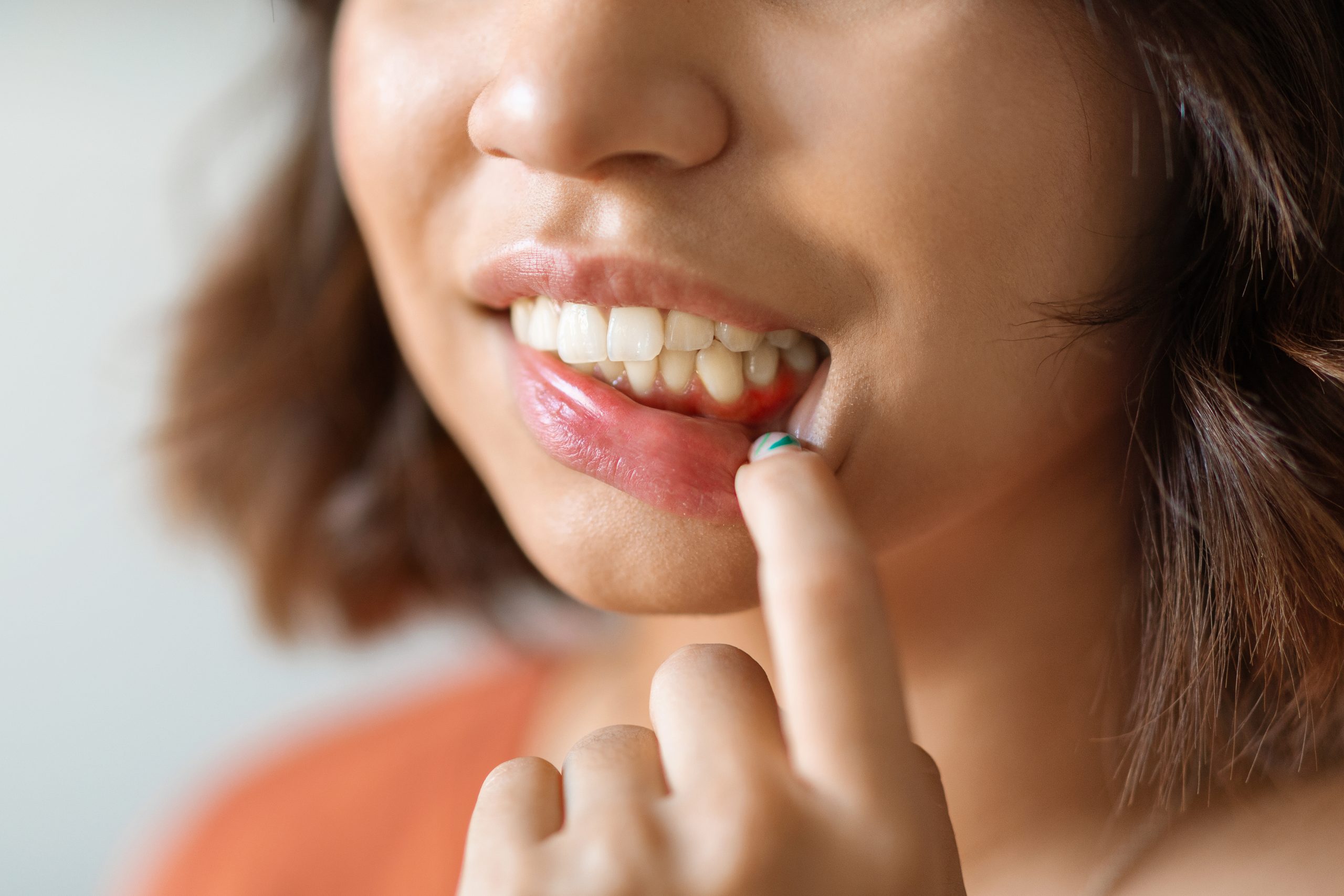
Unhealthy Gums: If your gums are struggling, they will appear red, swollen, or even slightly bluish. The texture often feels “boggy” or soft. You might experience bad breath, an itchy gum sensation, or notice they bleed at the slightest touch. If you see periodontal pockets forming (where the gum pulls away from the tooth), it is a sign that dental plaque is causing deeper issues.
What are the Causes of Swollen Gums?
There is rarely just one reason for gum swelling. In our clinic, we find that causes can range from a localized gum swelling around a single spot to a more generalized inflammatory response across the whole mouth.
Most often, the culprit is plaque buildup. When bacterial plaque (specifically bacteria like Streptococcus mutants, Porphyromonas gingivalis, or Prevotella intermedia) lingers on the teeth, it leads to plaque accumulation and eventually tartar buildup (also known as calculus buildup). This triggers the early stages of gum disease, where the gingival tissue becomes reactive.
However, other factors can play a role, including:
- Hormonal fluctuations: We often see pregnancy-related gingival swelling due to hormone changes that make gums more sensitive.
- Medications: Certain calcium channel blockers, beta blockers, or medications that cause drug-induced gingival enlargement can alter how your tissue reacts.
- Systemic illnesses: Issues like blood sugar management or medical conditions affecting the immune system can impact gum health.
- Allergic reactions: Occasionally, a reaction to a new antiseptic mouthwash or even dental appliances like orthodontic treatment or oral appliances can cause irritation.
- Lifestyle factors: Tobacco use and a lack of vitamin C or calcium-rich foods can also hinder your body’s ability to maintain healthy tissue.
Most of the time, the solution starts with a dental professional providing a thorough professional cleaning. A lot of your recovery depends on your oral hygiene routine and how well you follow the brushing technique and gum care formula instructions we provide.
What is the Treatment for Swollen Gums?
When you visit us, your swollen gums treatment begins with a comprehensive dental checkup. Our dentists will examine your gingival tissue, perhaps take dental radiographs to check oral bone health, and determine the exact cause of the swelling.
If the issue is plaque accumulation, a dental hygienist will perform professional cleanings. In cases where periodontal disease has progressed, we may recommend scaling and root planing (a deep cleaning) to remove tartar from beneath the gum line. For those looking for extra protection at home, we may suggest a stannous fluoride or anti-gingivitis toothpaste and a water flosser to disrupt bacteria in hard-to-reach areas.
Why Do I Have Swollen Gums Around One Tooth?
If the puffiness is limited to a specific area, such as around your back molars, it is likely a dental issue related to that specific tooth rather than a general gum infection.
It could be that you are simply missing that spot during your oral hygiene routine. However, it could also signal a tooth infection, impacted wisdom teeth, or a problem with existing dental restorations. If you notice localized gum swelling that doesn’t improve with better brushing, it’s time for a dental visit.
How to Ease Gum Pain
It is important to note that while swollen gums can feel “itchy” or tight, actual pain is not a typical symptom of standard gingivitis. If you are experiencing significant pain, it usually indicates a different dental emergency, such as a dental abscess or a gum abscess.
Symptoms like severe tooth sensitivity, pus draining, a salty taste, jaw stiffness, or swollen lymph nodes suggest the infection has reached the pulp of a tooth. In these cases, you may need a root canal, antibiotics, or an extraction to prevent further damage. While a saltwater rinse or saline rinse can offer temporary relief at home, it cannot replace professional dental treatment.
We’re Here to Support Your Smile
At The Little Green Building, we believe tooth loss prevention starts with great communication and regular dental visits. Whether you need a routine cleaning or are dealing with oral infections like oral thrush or herpes simplex virus (which can cause mouth ulcers), our team is here to help.
We make dental care easy with Direct Billing to insurance (including CDCP) and interest-free payment plans.
Book your appointment today and let’s get your gum health back on track!