
Adjusting to life with a new dental appliance is a significant milestone in your journey toward better oral health. Whether you have received full dentures, partial dentures, or immediate dentures following a tooth extraction, the transition period requires patience and the right information. At The Little Green Building, we want to ensure that your appearance and your quality of life are restored as smoothly as possible.
Here is everything you need to know about navigating your first few weeks and expert tips for putting dentures in for the first time.
How to Know if My Denture is Fitted
One of the most common questions first-time denture users ask is how to tell if the fit is correct. The primary indicators are the absence of discomfort and your ability to chew.
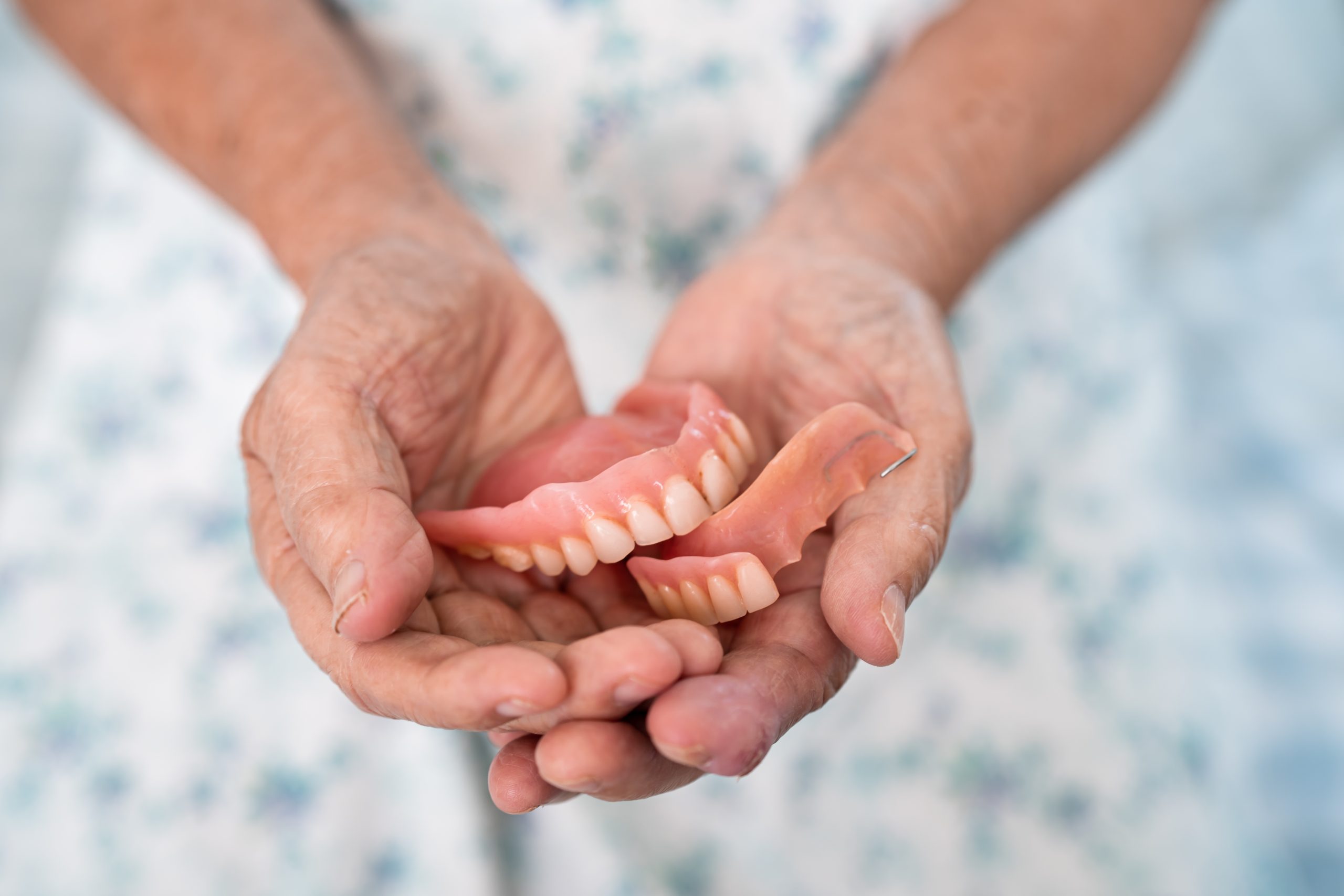
When traditional dentures or complete dentures are made, we use precise dental impressions to create a denture model that mimics your natural teeth and fits the unique contours of your gum tissue. A well-fitted denture should stay in place during normal activity. While you might experience a full-mouth feeling initially, it should not feel like it is slipping constantly. If you find yourself relying heavily on denture adhesive just to keep them from falling out, it may be time for a denture relining or adjustment.
Do Dentures Hurt?
Sometimes, dentures can cause minor discomfort as your oral tissues adapt to the new pressure. If they do hurt, you should schedule an appointment with us as soon as possible for an adjustment.
Pro Tip: If you are experiencing denture sores or gum irritation, try to wear your dentures for at least a few hours immediately before visiting our dental office. Even though they might be uncomfortable, this allows the dental professional to see exactly where the pressure points are on your gums, helping us determine the cause of the problem and provide a precise fix.
How Long Does It Take to Get Used to New Dentures?
The healing process and adaptation period vary for everyone. If the dentures are worn all the time (which we highly recommend), it usually takes 1–2 weeks to get used to them. During this time, your mouth is undergoing bone remodeling and adjusting to the denture placement technique.
For those who have had an immediate denture placed right after a tooth extraction, the first day with dentures involves careful post-operative care. It is vital to protect the blood clot in the extraction site; dislodged blood clots can lead to painful complications. As you transition to permanent dentures or conventional dentures, you will notice your bite function and smile’s aesthetics improving daily.
Will I Have Issues Talking?
It is perfectly normal to experience some difficulty in pronouncing certain sounds when you first start using dentures. This is often due to increased saliva production and the tongue adjusting to the new oral appliances.
The good news? This usually goes away within a day or two. To speed up the process, we recommend practicing reading out loud. This helps your tongue and cheeks learn how to maneuver around the dentures, quickly restoring your confidence in your speech.
How Should I Care for My Dentures?
Maintaining excellent oral hygiene is just as important with dentures as it is with natural teeth. You should clean and brush them regularly to prevent issues like denture stomatitis (an infection of the mouth tissues) or lingering gum disease.
If you choose not to wear them at night, which gives your gum tissue a chance to rest and improves blood circulation, make sure to keep them in water. Consistent dental visits are also essential so we can monitor for bone recession or signs of oral cancer, ensuring your overall dental health remains a priority.
Should I Brush My Dentures?
Yes! You should brush your dentures regularly, at least once every day. However, the tools you use matter:
- Use a soft-bristled brush or a specialized denture brush.
- Avoid toothpaste. Standard toothpaste can be too abrasive for the material of the denture.
- You can use mild soap or a specific denture cleaner.
What Cleaning Products Can I Use with My Dentures?
For a thorough clean, use a commercial denture cleaning solution such as Polydent, which is easily available at any drug store. These solutions are designed to break down plaque and stains without damaging the dental appliance. Avoid using harsh chemicals or boiling water, as these can warp the shape of your dentures.
What Happens if My Dentures Dry Out?
While it is a common myth that dentures will instantly ruin if they aren’t submerged, the truth is that usually, nothing should happen to them even if they are not kept in water for a short period. The most important rule is to never expose them to high heat, as this can permanently change their fit.
Exploring Modern Alternatives: Denture Implant Solutions
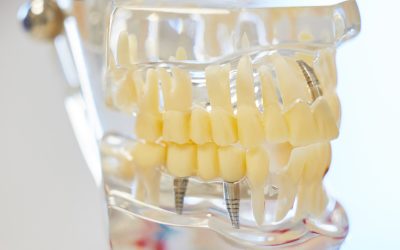
If you find that traditional dentures do not provide the denture stability you desire, you might consider denture implant solutions. Options like implant-supported dentures or dental bridges provide a more secure fit by anchoring the appliance to dental implants placed in the jawbone. This prevents the slipping often associated with tooth loss and significantly improves chewing power.
Your Partner in Dental Health
Adjusting to dentures is a journey, and you don’t have to do it alone. From the initial dental impressions taken in our office to the final denture fitting, our dental team is here to support you. We even offer denture repair services if your appliance ever sustains damage.
If you are a long-time denture wearer or are new to them and just starting out with soft foods and a new smile, we are here to help. Schedule an appointment with The Little Green Building today to ensure your dentures are performing their best!